Saju in culture
Korean fortune telling shows: which ones use saju, shamans, tarot, or face reading
5 min read · for fun & self-reflection ·
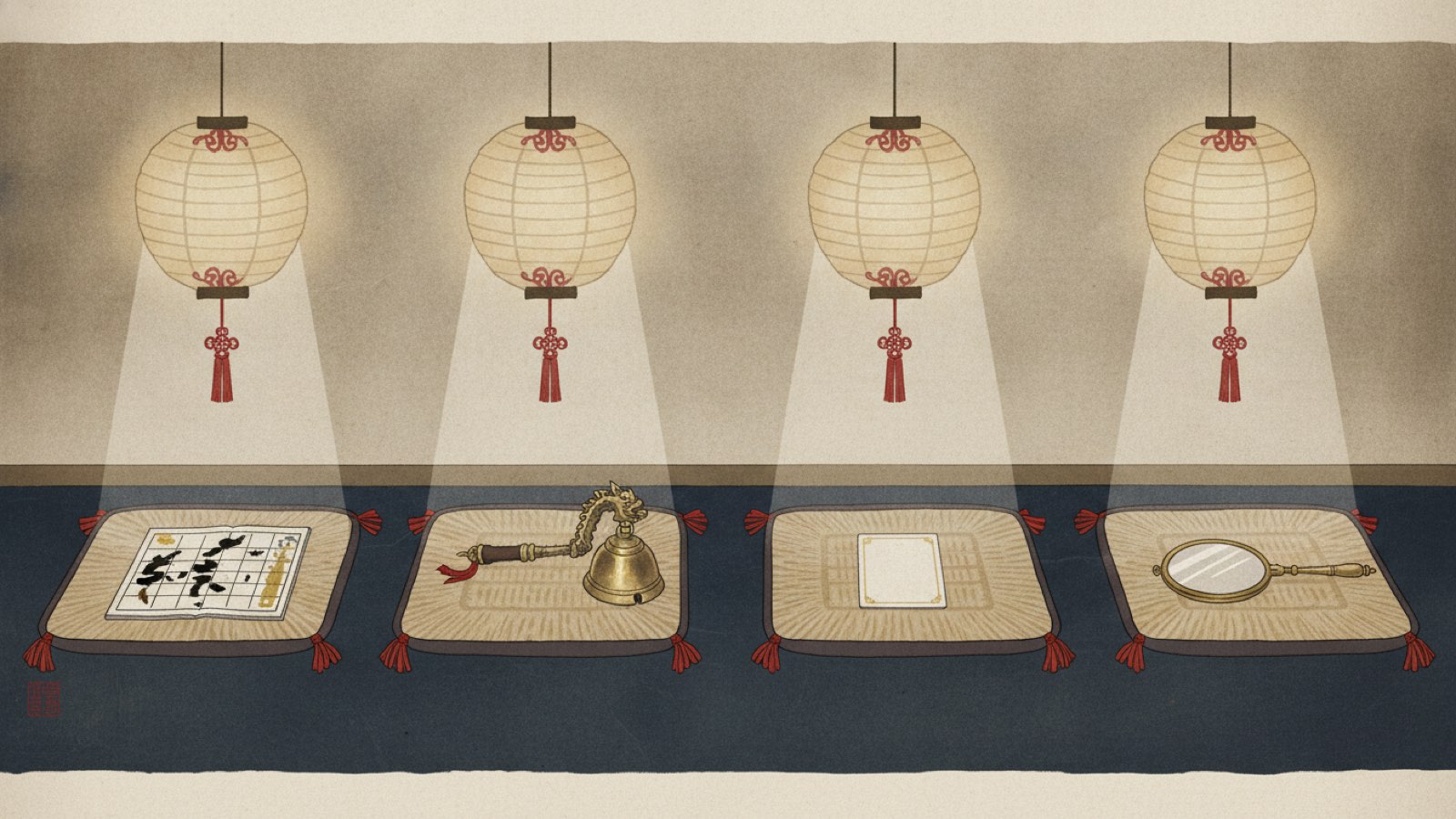
Korean fortune telling shows are reality programs and dramas built around a reading of some kind, and that reading is usually one of four things: saju (a chart calculated from a birth date), shamanic reading (a mudang's spirit connection), tarot, or face reading. Shows mix them freely, which is why viewers abroad come away unsure what they just watched. This page lists the shows we've verified, says which traditions appear in each, and points to a plain explanation of each tradition. Sajoo is saju only; everything here is entertainment, on screen and off.
Battle of Fates (운명전쟁49) — Disney+, 2026 · competition
Forty-nine fate readers from shamanism, saju (and myeongri, the scholarly name for the same study), tarot, and face reading compete in elimination rounds. Traditions used: all four. Saju appears as one craft among several, so the show is a good primer on how different the methods are. Our explainer is linked below: "Battle of Fates, explained."
Update (Oct 2026): Disney+ has greenlit a spin-off reported as House of Fates, a travel and ritual format led by the show's top readers; no premiere date yet. Reported facts and what a reading on it would be: our House of Fates page.
Possessed Love (신들린 연애) — SBS, 2024 · dating show
Eight young fortune tellers look for partners using their own crafts, including saju matching from birthdates and shamanic practice; the cast included practicing shamans. Traditions used: saju, shamanic reading. Notable for showing saju compatibility (gunghap) the way Koreans actually use it, as a question about two charts rather than one.
If Wishes Could Kill (기리고) — Netflix, 2026 · horror drama
A wish-granting app that asks for a name and birthdate, with a deadly countdown, and a shaman who helps trace the curse. Traditions used: shamanic reading in the story; the birthdate mechanic borrows the input of a saju chart. Our explainer is linked below: "Why the app wants your birthdate."
Quick map: which tradition is which
| Tradition | Korean | What it starts from | Calculated? |
|---|---|---|---|
| Saju | 사주 | Birth date and time | Yes |
| Shamanic reading | 신점 / 무당 | The practitioner's spirit connection | No |
| Tarot | 타로 | A card draw | No |
| Face reading | 관상 | Facial features | No |
Not fortune telling, despite the vibe
Some popular Korean dramas feature ghosts or the supernatural without any reading tradition at all. If a show has spirits but no reader, it isn't on this list.
Start with your own chart
Your Day Master, four pillars, and element balance — calculated from your birth date, free.
Reveal your free chart →FAQ
- Which of these shows is about saju specifically?
- None is saju-only. Battle of Fates shows it alongside three other crafts; Possessed Love uses it for matching.
- Is saju the same as the shamans on these shows?
- No. Saju is a calculation from birth data; shamanic reading is not. See "Saju reader vs Korean shaman" in the guide.
- Can I get the reading they do on TV?
- Sajoo offers the saju side: a free chart from your birth data and a human-written paid reading. We don't offer shamanic, tarot, or face readings.
Titles belong to their producers and platforms; this page is an independent viewer's guide. Readings, including Sajoo's, are entertainment and self-reflection, not prediction.
Keep reading
Saju in culture
Battle of Fates, explained: what "fate readers" actually do (saju vs shaman vs tarot vs face reading)
Saju in culture
If Wishes Could Kill: why the wish app wants your birthdate, and what a saju chart actually reveals
Saju 101
Saju reader vs Korean shaman (mudang): what's the difference?
Saju 101
What is saju? The meaning of Korea's four pillars birth chart
For fun & self-reflection — a reading of your nature, not a prediction.